If you love the idea of grabbing dinner, catching a game, and walking home without making a whole night of logistics, Frisco offers a lifestyle that stands out in North Texas. At the same time, living near major venues comes with real day-to-day tradeoffs, especially around traffic, parking, and housing style. This guide will help you understand what it’s actually like to live near Frisco’s sports and entertainment hubs so you can decide whether the convenience, energy, and urban feel fit the way you want to live. Let’s dive in.
Frisco’s Entertainment Core
Frisco’s sports and entertainment scene works best as a connected cluster rather than one single destination. The Star anchors that cluster with a 91-acre Dallas Cowboys campus that includes the team’s world headquarters and practice facility, Ford Center, the Omni hotel, and The Star District’s retail and dining area.
According to Visit Frisco, The Star includes more than 20 restaurants along with shopping, public events, and lodging. Just next door, Frisco Station adds another major piece of the lifestyle picture with a 242-acre mixed-use development that includes more than 2,400 residences and walkable access to The Star.
A short distance away, the Toyota Stadium and Frisco Square corridor creates another event-focused area. The City of Frisco notes that special-event exits at Toyota Stadium are actively managed to reduce crossing traffic, and the National Soccer Hall of Fame is located inside Toyota Stadium.
Riders Field rounds out the core as one of Frisco’s most recognizable entertainment venues. Home of the Frisco RoughRiders, the ballpark seats 10,216 and has welcomed nearly 10 million fans since opening in 2003.
What Daily Life Feels Like
Living near these hubs can feel more walkable than many other parts of Frisco, especially inside the mixed-use districts. In areas like The Star and Frisco Station, you can often step out for coffee, dinner, drinks, a workout, or an event without getting in the car.
Frisco Station highlights dining, entertainment, parks, trails, wellness, and regional connectivity as part of everyday life. The Star is also designed as more than a venue, with spaces to dine, shop, celebrate, meet, work, and stay.
That creates a weekly rhythm that feels active and social. Instead of planning a special trip for entertainment, many outings can become part of your regular routine.
Events Shape the Week
One of the biggest lifestyle differences is how often something is happening nearby. Ford Center at The Star hosts Cowboys practices, high school football games, band competitions, and live concerts, which means activity is not limited to NFL season.
Riders Field also functions as more than a ballpark. During baseball season, crowd-heavy nights and special experiences can bring added energy to the area.
Toyota Stadium adds another layer of event traffic and foot activity. If you enjoy being close to live sports and public events, that can be a major plus. If you prefer quieter weekends and fewer crowds, it is worth paying close attention to event patterns before choosing a home nearby.
Walkability Has Clear Limits
Inside the core blocks, the walkable lifestyle is real. You can often handle short trips on foot when you live close to dining, entertainment, and public gathering spaces.
Once you move beyond those immediate districts, though, the experience changes. Frisco still leans heavily on driving for many errands and regional trips, even if your immediate neighborhood feels more connected on foot.
That means the lifestyle is best understood as district walkability, not car-free living. You may walk often within your area while still relying on your car or rideshare for much of the rest of your week.
Traffic and Parking Matter
If you are considering living near Frisco’s sports hubs, traffic should be part of your decision. Event-day patterns are organized, but they are still concentrated around major corridors and nearby streets.
For Riders Field, parking lots open two hours before game time and gates open about one hour before first pitch. Official directions route many drivers in from SH 121 and the Dallas North Tollway, which means those corridors can see heavier traffic on game nights.
The Star also uses structured parking and entry routes. The city’s guest parking map directs visitors to enter via Avenue of Champions and Warren Parkway and park in the Gridiron Lot.
The City of Frisco has also posted event-related road closures around The Star and Hall Park. That is an important reminder that nearby streets can become temporarily more constrained during special events.
Transit Options in Frisco
Transit in Frisco is limited, but there are a few options worth knowing about. The city currently offers DCTA GoZone on-demand service around central Frisco on weekdays, along with demand-response transit for eligible riders.
As of June 12, 2026, the city also offers a free Boxcar shuttle for the downtown Rail District on Fridays through Sundays. Frisco’s Transportation Management Association is also focused on improving first- and last-mile connectivity among Frisco Station, The Star, and HALL Park.
Even with those services, daily life near these hubs still tends to center on driving or rideshare. The convenience comes more from being able to walk short trips within the district than from broad transit access across the city.
Housing Near the Hubs
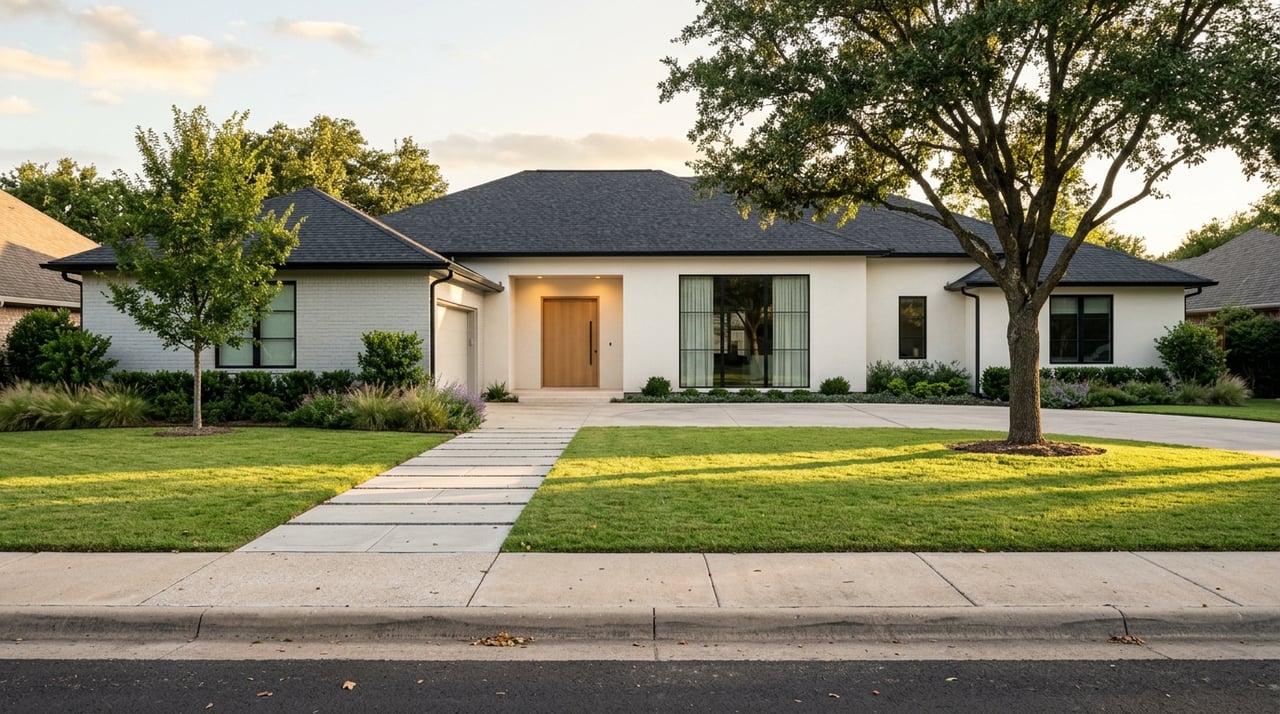
The housing mix closest to Frisco’s entertainment districts looks different from outer suburban neighborhoods. Near the core, you are more likely to find apartments, townhomes, and high-rise or urban-style residences.
Frisco Station offers one of the clearest examples. Its current and planned residences include one- and two-bedroom apartments, two- and three-bedroom townhomes, a 301-unit community, a 332-unit high-rise, and a 410-unit urban-style project expected in spring 2027.
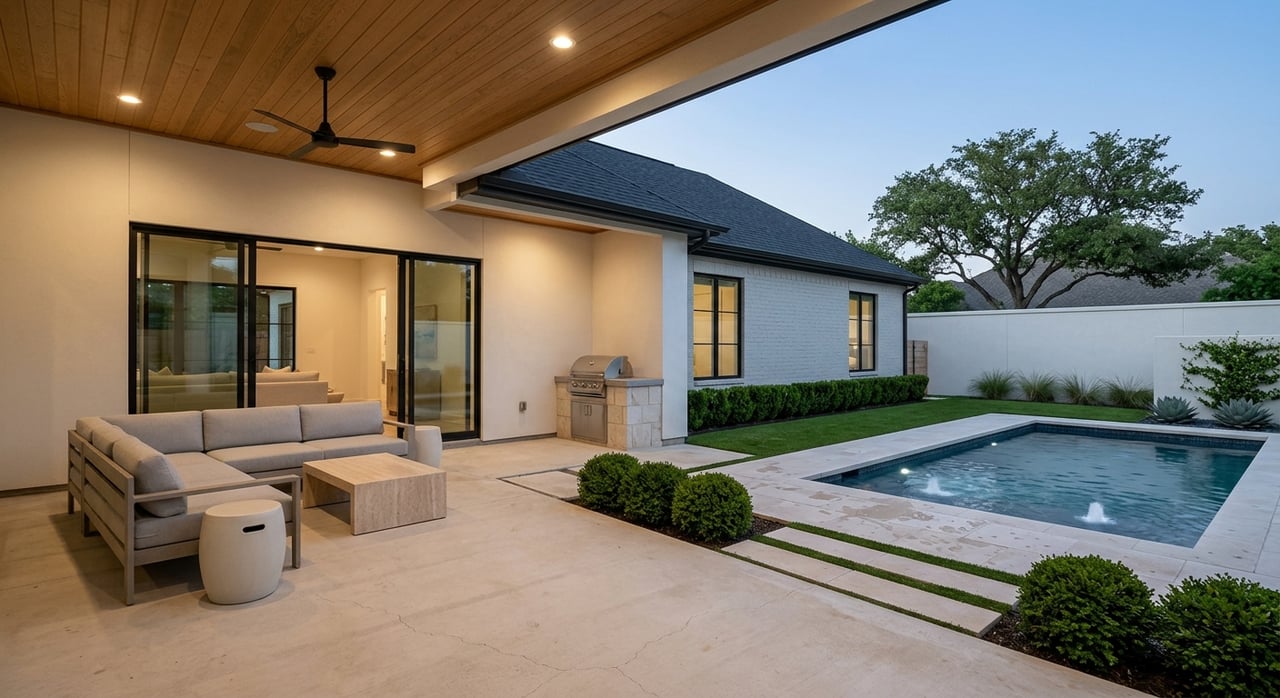
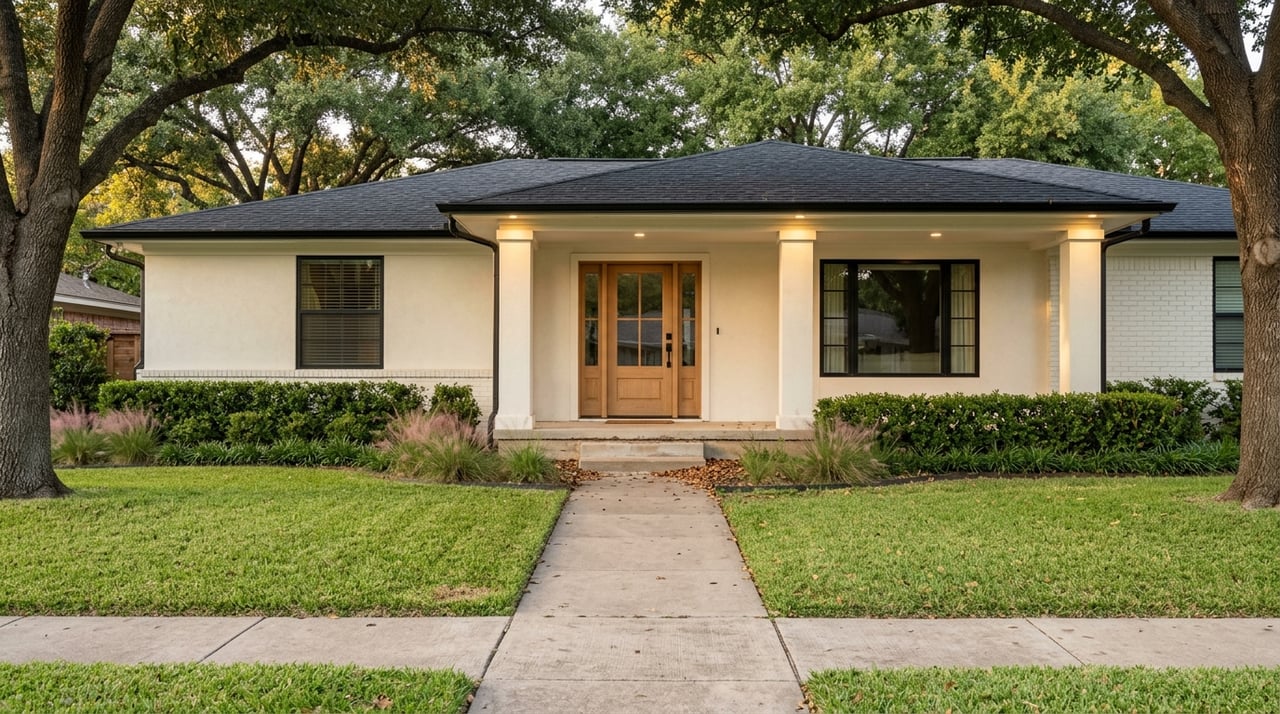
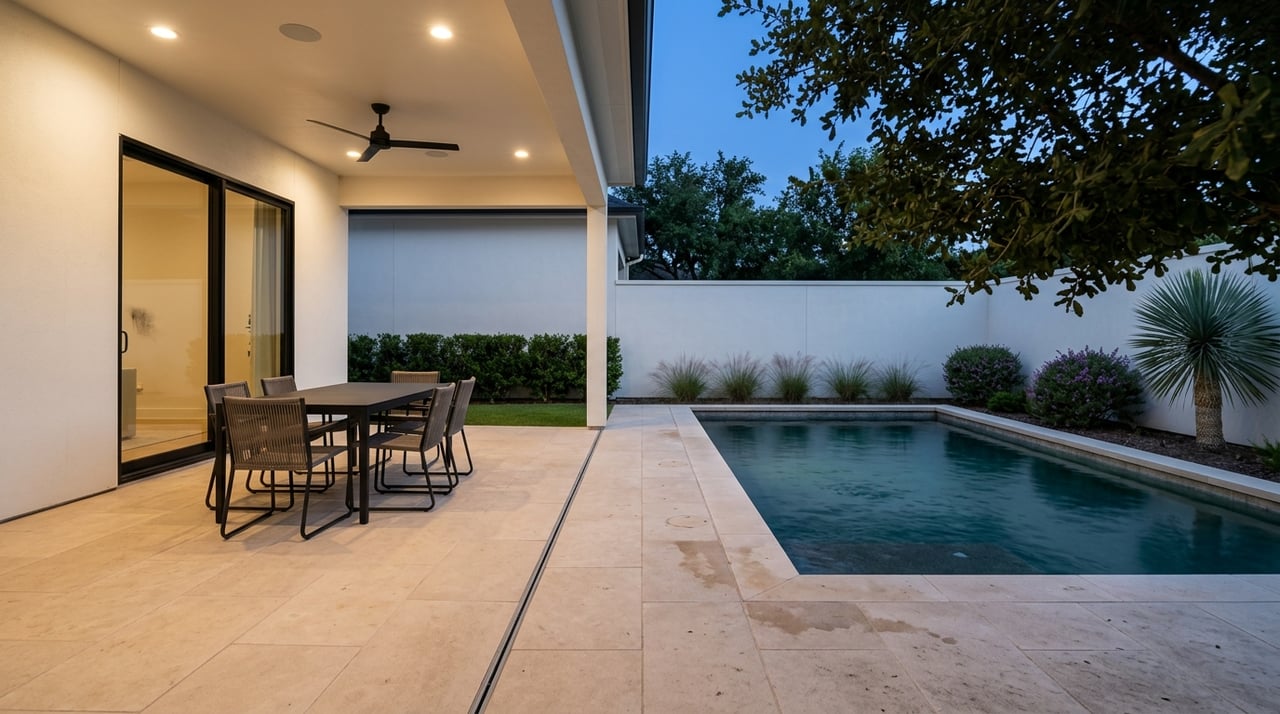
The master plan also includes a single-family living and retail component. Still, the overall pattern points to a higher-density lifestyle with shared amenities and less private yard space than many of Frisco’s more traditional subdivisions.
The Main Tradeoffs to Expect
The biggest upside is convenience. Restaurants, entertainment, and event spaces can become part of your regular routine instead of a special outing that requires more planning.
The biggest tradeoff is activity. You should expect more event volume, more traffic at certain times, and greater reliance on parking structures in some of the more urban-style districts.
The streetscape is also changing in parts of Frisco, especially in the Rail District. The city reports that Main Street reopened in December 2025, a five-level, 451-space parking garage is due in June 2026, and 4th Street Plaza is slated for August 2026.
For many buyers, that change is part of the appeal. It adds to the more urban, mixed-use feel that is still relatively rare in much of Frisco.
Who This Lifestyle Fits Best
Living near Frisco’s sports and entertainment hubs can be a strong fit if you want an amenity-rich routine and shorter trips to dining and events. It may especially appeal to relocating professionals, frequent diners, and buyers who enjoy the energy of being near major destinations.
It may be a less natural fit if your top priorities are a large yard, quieter streets, and minimal weekend traffic. In that case, you may prefer to enjoy these venues as destinations while living a bit farther away.
The key is matching the neighborhood to your real daily habits. A home that looks exciting on paper only works long-term if the pace, housing style, and event activity line up with how you actually want to live.
Buying With Lifestyle in Mind
When you tour homes near The Star, Frisco Station, Riders Field, or Toyota Stadium, it helps to look beyond the home itself. Pay attention to access points, parking setup, nearby road patterns, and how close you are to the most active event routes.
You should also think about what convenience means for you. For some buyers, walking to dinner and events is a major quality-of-life upgrade. For others, a little more distance from the action creates a better day-to-day balance.
A neighborhood-focused home search can help you compare those tradeoffs clearly. That way, you are not just buying square footage. You are choosing the version of Frisco living that fits you best.
If you’re exploring Frisco and want a clear, practical read on which neighborhoods match your lifestyle, Stefany Nau can help you weigh the tradeoffs, narrow your options, and move with confidence.
FAQs
Is living near The Star in Frisco walkable?
- Yes, within The Star and nearby mixed-use areas, many dining and entertainment options are walkable, but most daily life in Frisco still relies on driving beyond the core district.
What types of homes are closest to Frisco’s sports hubs?
- The closest housing is mostly apartments, townhomes, high-rise residences, and other urban-style living options, especially around Frisco Station.
How busy is the area around Riders Field on game nights?
- It can get noticeably busier, with parking lots opening two hours before game time and traffic concentrated along SH 121 and the Dallas North Tollway.
Does Toyota Stadium affect traffic near Frisco Square?
- Yes, the City of Frisco manages special-event exits at Toyota Stadium to reduce crossing traffic, which shows that event days can affect traffic flow in the area.
Is transit available near Frisco’s entertainment districts?
- Frisco has limited transit options, including DCTA GoZone on weekdays in central Frisco, demand-response transit for eligible riders, and a free Boxcar shuttle in the Rail District on Fridays through Sundays.
Is living near Frisco entertainment hubs a good fit for every buyer?
- No, it tends to fit buyers who want convenience, dining, and event access more than buyers who prioritize larger yards, quieter streets, and less weekend activity.