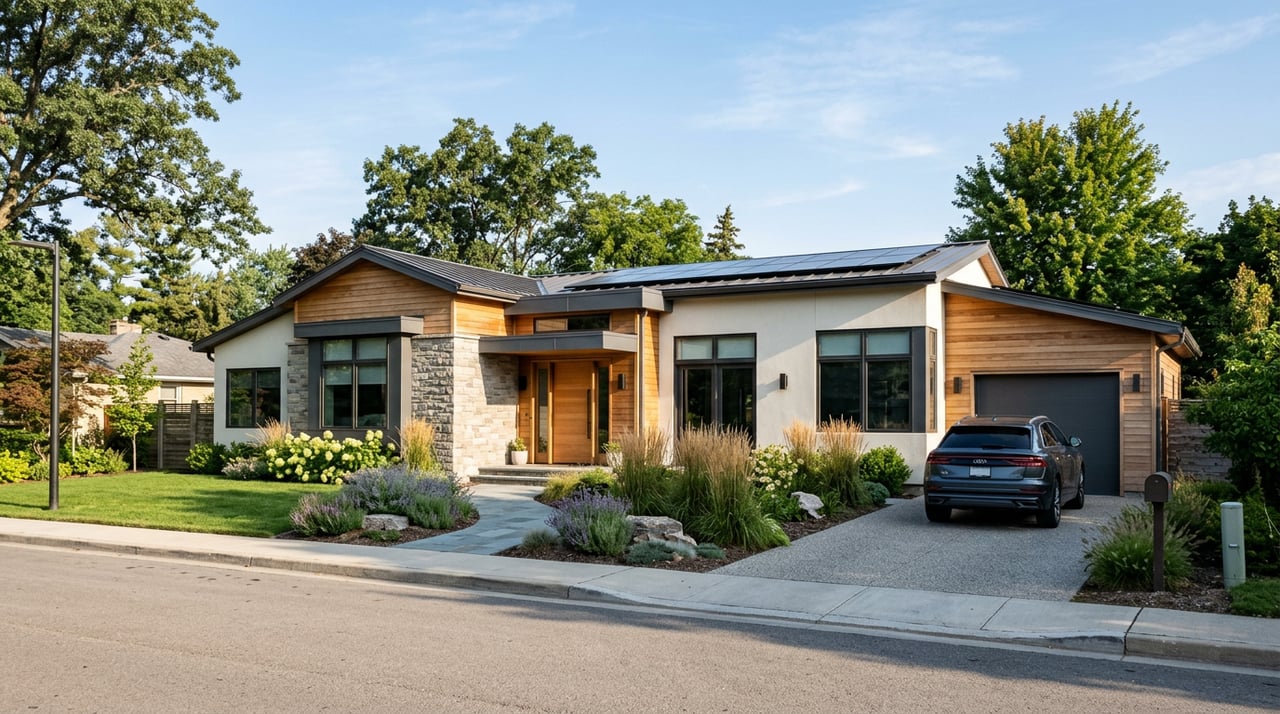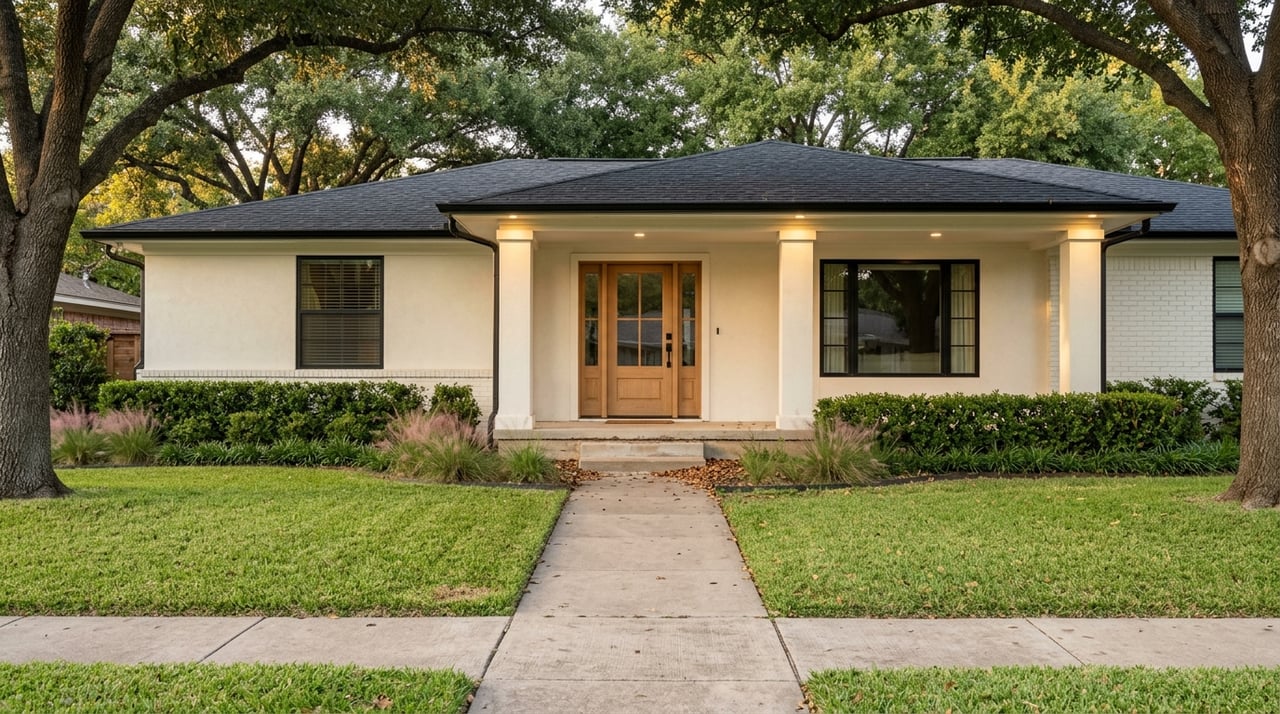
Looking for a neighborhood that feels settled, connected, and easy to enjoy day to day? In Plano, many established areas offer that lived-in comfort buyers often hope to find, with mature trees, older homes that have been updated over time, and parks and trails woven into everyday life. If you are drawn to the idea of front-porch living, this guide will help you understand what that can look like in Plano and what to pay attention to as you explore your options. Let’s dive in.
What front-porch living means in Plano
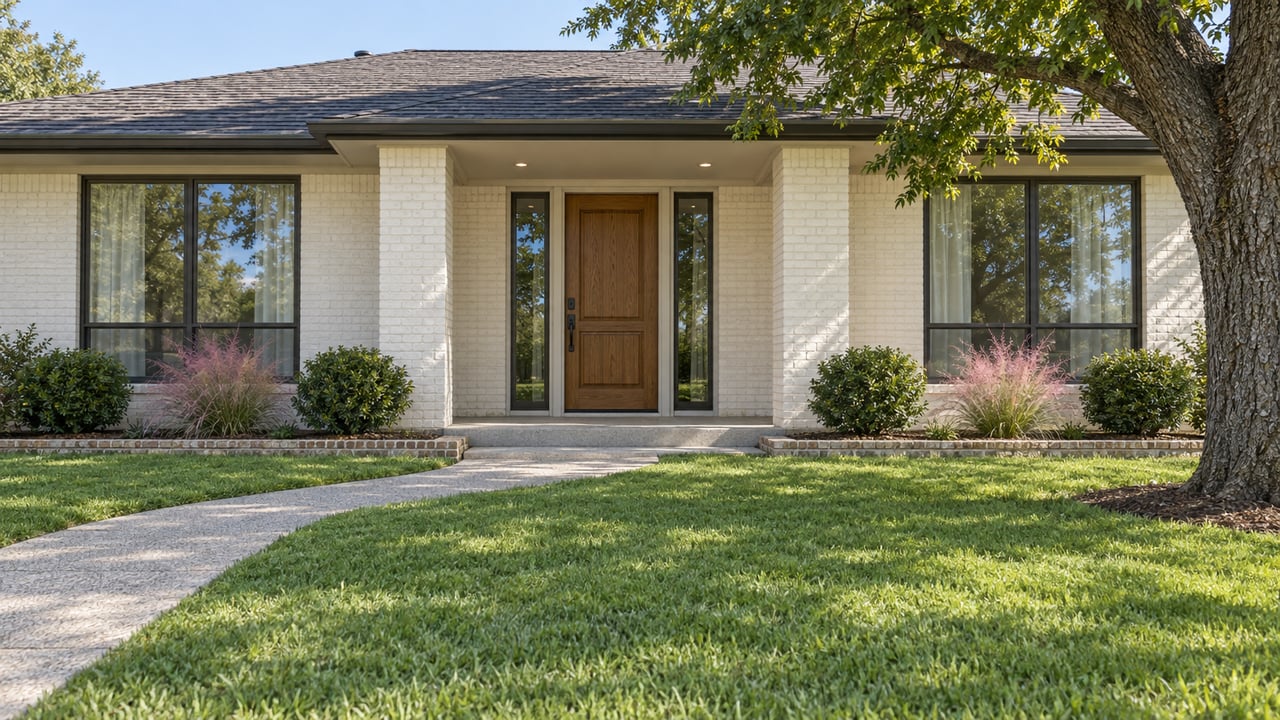
Front-porch living is less about architecture alone and more about how a neighborhood feels when you live there. In Plano’s established neighborhoods, that often means streets with a settled look, a stronger sense of continuity from one home to the next, and a pace that can feel calm without feeling cut off from the rest of the city.
Plano’s broader identity supports that impression. The city highlights its historic character through two heritage districts and 34 heritage landmarks, while redevelopment work in Downtown Plano emphasizes quality urban design. Plano also promotes neighborhood stewardship through its BEST Neighborhoods Division and supports neighborhood appearance through urban forestry efforts.
That combination matters when you are choosing where to live. It suggests a city that values upkeep, public spaces, and the long-term feel of its neighborhoods, which often aligns well with buyers looking for a more rooted, porch-friendly setting.
Why established Plano neighborhoods stand out
One of the biggest draws of established neighborhoods is character. Instead of rows of brand-new homes with a more uniform look, you are more likely to find homes that reflect different eras, different updates, and a stronger sense of individuality.
Plano’s housing data supports that mature-market feel. The city reports that 56.9% of housing is owner-occupied, and 85.5% of residents lived in the same house one year earlier. That points to a community where many residents stay put, which can create a more settled day-to-day atmosphere.
You can also expect older homes to come with a mix of original features and later improvements. The safest way to think about these neighborhoods is that they are often older, owner-heavy, and updated over time rather than brand-new and uniform.
What buyers may find in the housing stock
If you are touring established neighborhoods in Plano, you may notice that homes often come with more variation in layout, lot shape, exterior style, and renovation level. Some properties may be extensively updated, while others may offer a chance to personalize over time.
Plano’s Housing page also shows that the city recognizes the value of maintaining older housing. The Great Update Rebate helps homeowners with the cost of caring for older homes, and the Housing Rehabilitation Program assists with repairs and renovations. For buyers, that reinforces the idea that older homes in Plano are part of the city’s long-term housing story, not an afterthought.
This is especially helpful if you are open to a home that may not be brand new but offers lasting appeal. A well-located home with solid upkeep, mature landscaping, and thoughtful updates can be a strong fit if you value everyday livability over new-construction sameness.
Everyday life beyond the front porch
The appeal of an established neighborhood is not limited to the house itself. It also comes from what surrounds you and how easily you can settle into daily routines.
Plano offers a wide range of parks, trails, and public spaces that support that lifestyle. Haggard Park includes a gazebo, playground, restrooms, and the Interurban Railway Museum, while Bob Woodruff Park North offers a pavilion, playground, fishing pier, sand volleyball, and hard-surface trails. Bob Woodruff Park South is described by the city as being surrounded by big trees, which adds to the settled, shaded feel many buyers are looking for.
For more outdoor time, Arbor Hills Nature Preserve spans 200 acres on Plano’s western border and supports walking, jogging, hiking, and other activity. Chisholm Trail follows a scenic creek through central Plano, and Cottonwood Creek Greenbelt runs along the eastern edge of the city as part of 8.5 miles of trail.
These amenities shape how a neighborhood feels over time. They give you places to walk, gather, and recharge, which is often a big part of what people mean when they say a neighborhood feels easy to live in.
Historic Downtown Plano adds texture
For buyers drawn to neighborhoods with a stronger sense of place, Historic Downtown Plano adds another layer of appeal. DART notes that Downtown Plano Station places Historic Downtown Plano, Haggard Park, the Interurban Railway Museum, Courtyard Theater, McCall Plaza, and ArtCentre of Plano close at hand.
That access can make established neighborhoods nearby feel even more connected. You get the benefits of a residential setting while still being near civic spaces, local events, and cultural destinations that help define the city’s identity.
DART also says the station’s design complements the nearby historic business district. That detail speaks to a more cohesive experience, where transportation, public space, and historic context work together rather than compete.
Convenience without giving up calm
A common concern for buyers is whether an established neighborhood will feel tucked away in a way that makes daily life harder. In Plano, the answer is often no.
Plano is crossed by four major highways: Sam Rayburn Tollway, President George Bush Turnpike, Dallas North Tollway, and US 75. The city is also served by DART’s Red and Orange lines through Downtown Plano Station and Parker Road Station, with Parker Road Station serving retail and commercial destinations near North Central Expressway.
That access helps explain why Plano can feel peaceful and practical at the same time. Citywide, Plano has 293,028 residents, 112,438 households, and a mean commute time of 25.4 minutes, which supports the idea that you can find a calmer neighborhood setting without feeling isolated from work, errands, or entertainment.
Who these neighborhoods may suit best
Established Plano neighborhoods can appeal to different kinds of buyers, but they tend to stand out for a few specific reasons. If you want a home with personality, an established setting, and strong day-to-day convenience, these areas may be worth a closer look.
You may be especially drawn to them if you are looking for:
- A neighborhood with mature trees and a more settled appearance
- Homes that have been updated over time instead of built all at once
- Access to parks, trails, and civic spaces that support daily routines
- Proximity to Downtown Plano or transit options
- A balance between calm residential streets and citywide connectivity
For first-time buyers, Plano also points residents to First Time Homebuyers Education classes. That can be a useful local resource if you are still learning how to compare homes, weigh tradeoffs, and prepare for the buying process.
What to look for when touring
When you walk through an established neighborhood, it helps to look beyond surface charm. A pretty street matters, but so does the condition of the homes, the level of maintenance, and how the area functions for your routine.
As you tour, pay attention to:
- The overall upkeep of homes and yards
- Signs of long-term maintenance versus quick cosmetic updates
- Tree coverage and how it affects the streetscape
- Access to parks, trails, transit, and major roads
- The mix of original character and modern improvements
This is also where local guidance can make a real difference. A neighborhood may look similar at first glance, but the feel, access points, and housing patterns can vary block by block.
Why local guidance matters in Plano
Plano is large enough that neighborhood choice is rarely just about picking a city. It is about narrowing in on the right pocket, understanding how established areas differ, and matching those details to your goals.
If you are buying, that may mean identifying streets with the right mix of character, updates, and convenience. If you are selling in an established neighborhood, it may mean presenting your home in a way that highlights what buyers already value there, from mature landscaping to thoughtful renovations and a strong sense of place.
That is where a hands-on, neighborhood-focused approach matters. Clear guidance, strong preparation, and a sharp understanding of buyer priorities can help you move with more confidence.
If you are curious about front-porch living in Plano or want help finding the right established neighborhood for your next move, Stefany Nau is here to help with responsive guidance, local insight, and a thoughtful strategy from start to finish.
FAQs
What does front-porch living mean in Plano neighborhoods?
- In Plano, front-porch living usually describes a settled neighborhood feel with mature trees, older homes that may be updated over time, and easy access to parks, trails, and everyday amenities.
What kinds of homes are common in established Plano neighborhoods?
- Buyers are likely to find older homes in owner-heavy areas, with more variation in style, layout, lot shape, and renovation level than in newer, more uniform developments.
Are established Plano neighborhoods convenient for commuting?
- Yes. Plano is served by Sam Rayburn Tollway, President George Bush Turnpike, Dallas North Tollway, US 75, and DART rail service through Downtown Plano Station and Parker Road Station.
What parks and trails support everyday life in Plano?
- Plano offers amenities such as Haggard Park, Bob Woodruff Park North and South, Arbor Hills Nature Preserve, Chisholm Trail, and Cottonwood Creek Greenbelt.
Does Plano offer resources for first-time homebuyers?
- Yes. Plano’s Housing page points residents to First Time Homebuyers Education classes, which can help early-stage buyers better understand the process.
Why work with a local real estate advisor when exploring Plano neighborhoods?
- Local guidance can help you compare established areas more clearly, understand how neighborhood pockets differ, and make more informed decisions based on character, upkeep, access, and long-term fit.