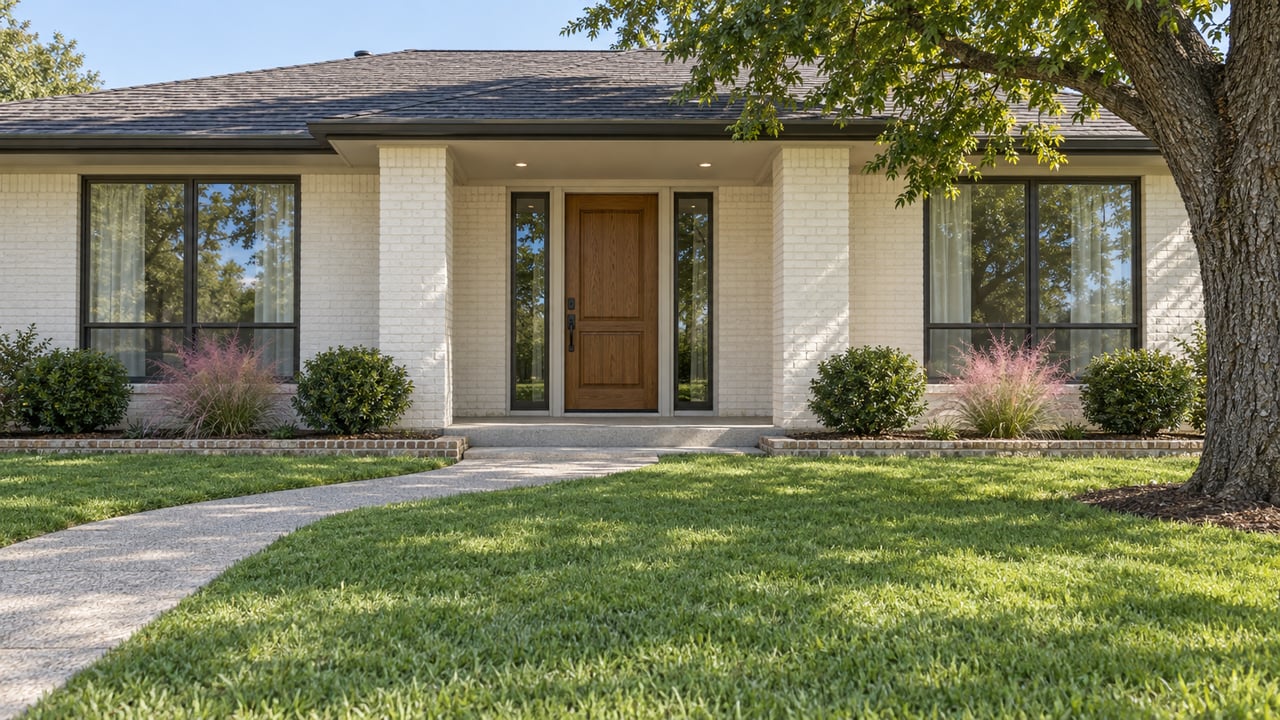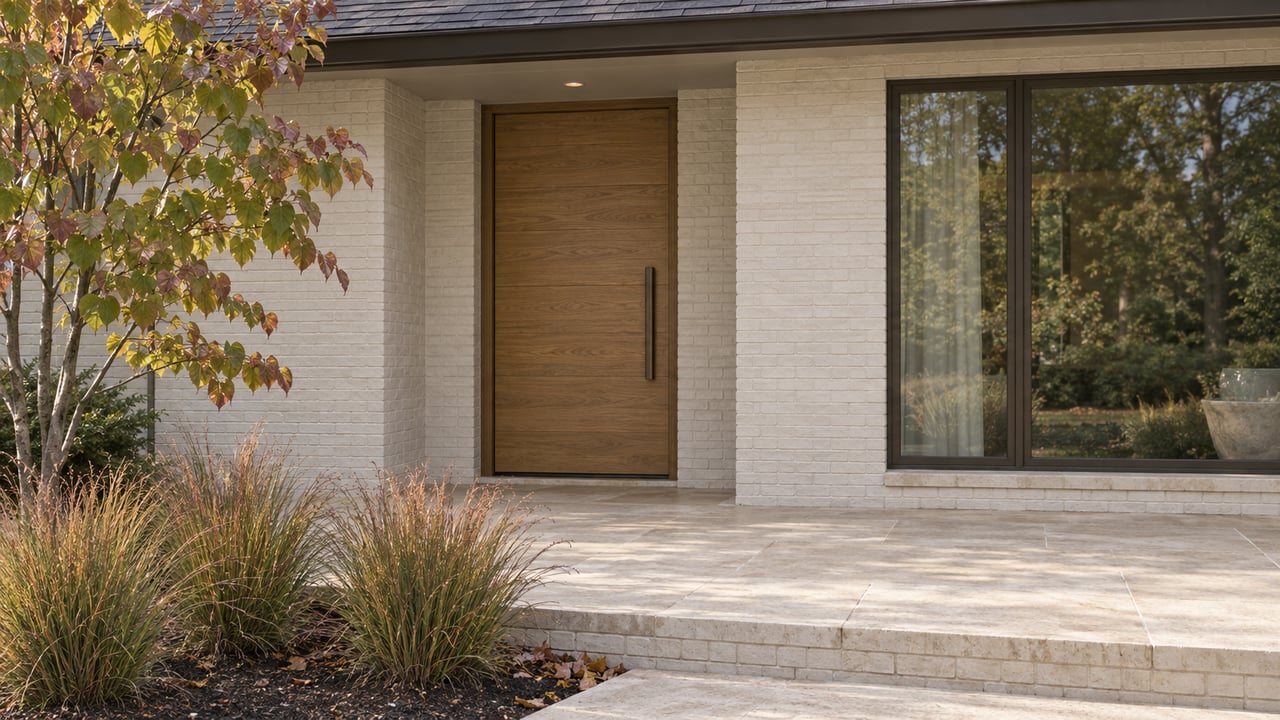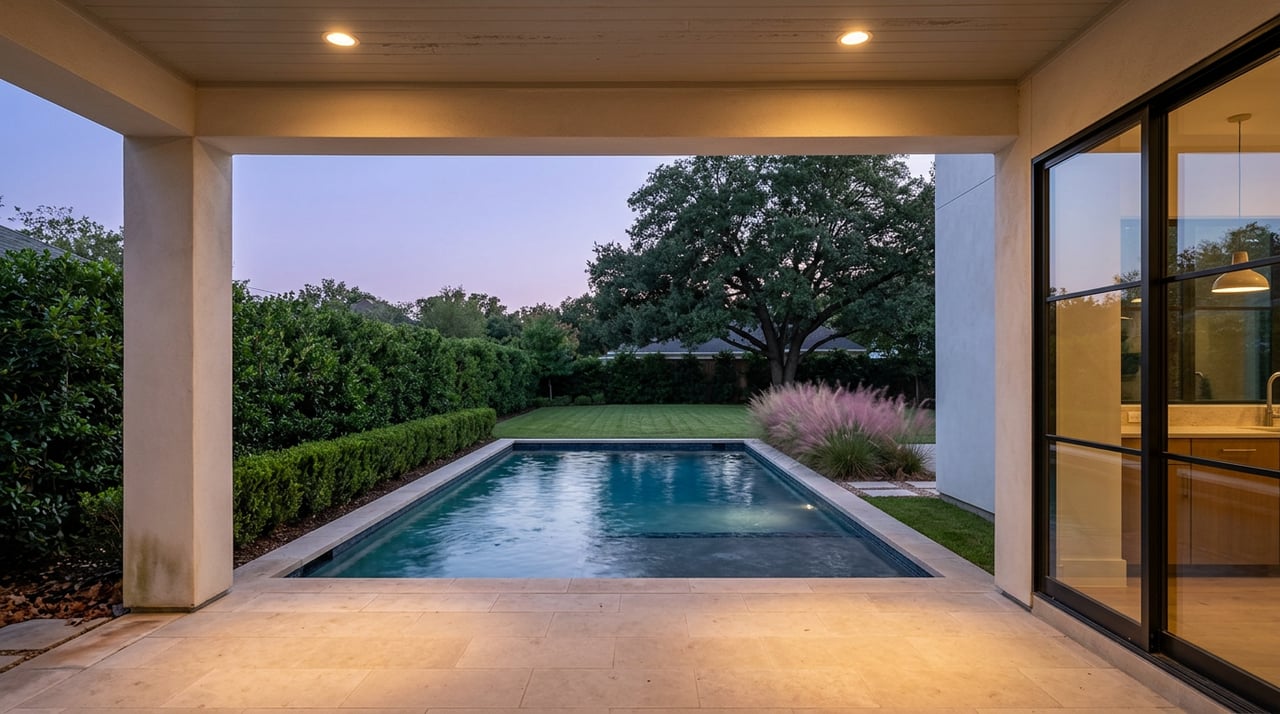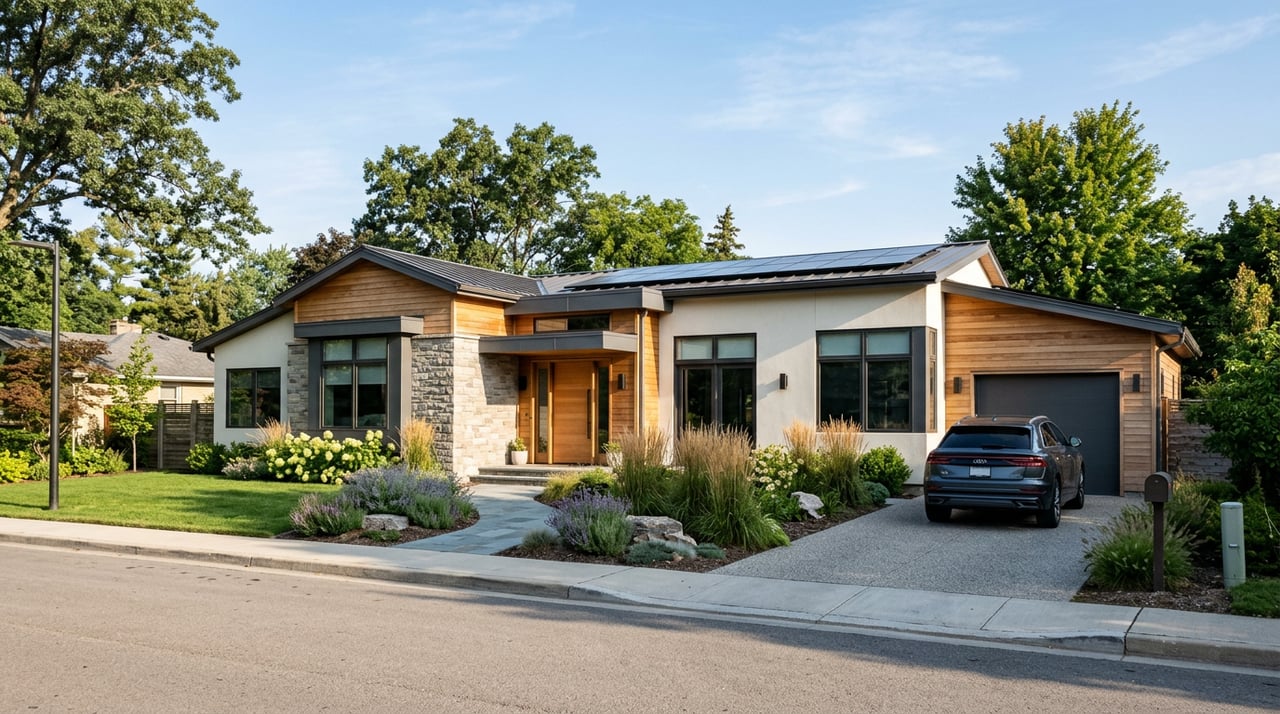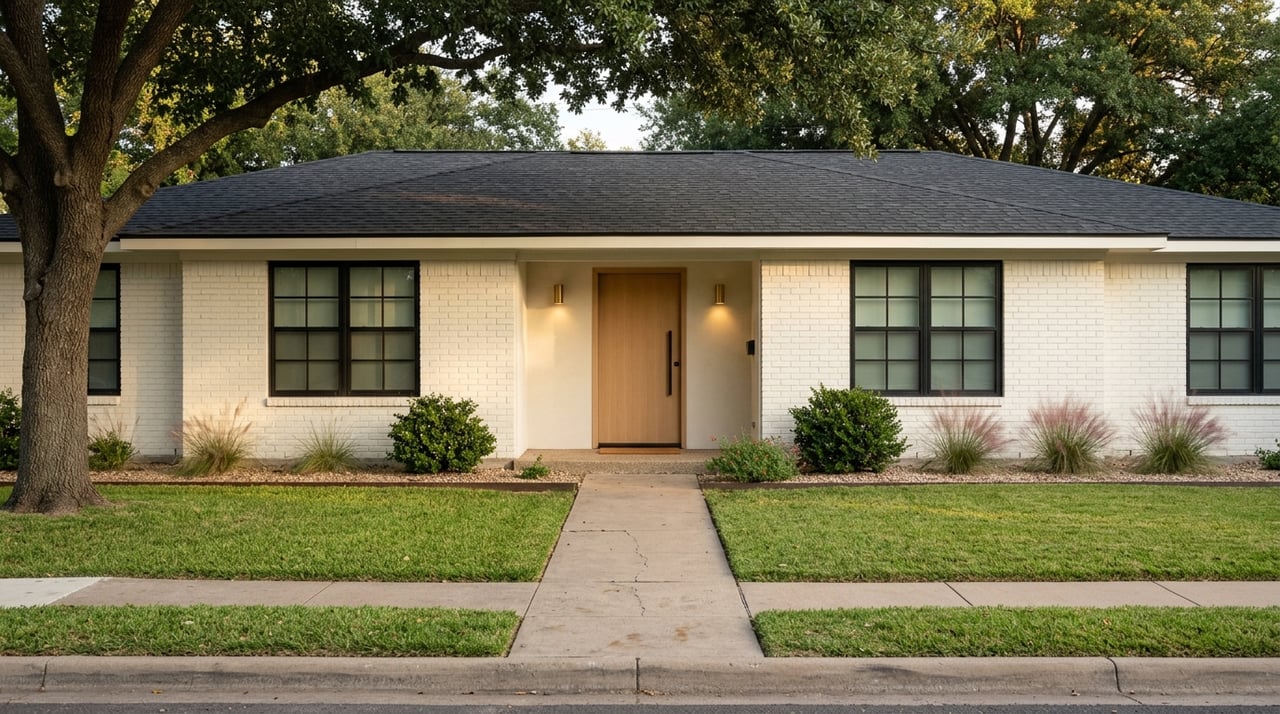
Wondering whether a newer build or an older home makes more sense in Plano? You are not alone. In a city with active new construction, established neighborhoods, and a median owner-occupied home value of $440,600, the choice often comes down to how you want to live day to day, not just the year a home was built. This guide will help you compare layouts, lot sizes, maintenance, and neighborhood feel so you can make a more confident move. Let’s dive in.
Plano housing context
Plano gives you a real mix of options. According to the U.S. Census Bureau’s 2019-2023 ACS, the city has a 56.6% owner-occupied rate, median monthly owner costs with a mortgage of $2,654, and median gross rent of $1,792. That tells you Plano is a strong ownership market where buyers often weigh long-term value carefully.
It also helps to know that older housing stock still matters here. The City of Plano offers programs like the Great Update Rebate and the Housing Rehabilitation Program, which signals that many homes in the city are aging in place and being improved over time. In other words, older homes are not an afterthought in Plano. They are an active part of the market.
What newer Plano homes often offer
More current floor plans
If you like open sight lines and flexible living areas, newer homes may feel like an easier fit. National homebuilding data shows many new floor plans are designed around today’s preferences, including open layouts and practical spaces like dedicated laundry rooms.
That does not mean every older home feels closed off, but it is a common difference buyers notice. In many cases, older homes may have more separated rooms unless they have been updated. If your daily routine depends on connected kitchen, living, and dining spaces, this can be a deciding factor.
More current code standards
Plano’s building-code page lists 2024 codes effective August 1, and the city tracks permits for new residential buildings, additions, alterations, outdoor improvements, and pools. For you as a buyer, that means newer construction is generally being built to the city’s current standards.
That can bring peace of mind, especially if you want a home with newer systems and fewer immediate surprises. It does not replace inspections or due diligence, but it does create a more current baseline.
Better energy performance
Energy efficiency is often one of the clearest advantages of a newer home. The U.S. Department of Energy notes that many older homes have less insulation than homes built today. ENERGY STAR also says certified new homes are designed to be at least 10% more efficient than homes built to code and are independently verified for features like insulation, windows, air sealing, and HVAC systems.
In Plano, that matters because newer homes are being built under current local code standards. For you, that may translate to lower utility costs and a more comfortable interior environment, especially during North Texas summers.
Lower near-term maintenance
One of the biggest reasons buyers lean toward newer construction is simple: fewer projects right away. With a newer roof, HVAC, windows, and finishes, you may face fewer near-term repairs or replacement costs.
That can be especially appealing if you are relocating, buying your first home, or simply want a smoother first year in the property. A newer home does not mean maintenance-free, but it often means less catching up.
What older Plano homes often offer
Established setting and mature trees
Older neighborhoods in Plano often stand out for their established feel. The city supports neighborhood identity through its BEST Neighborhoods Division, registered-neighborhood program, and neighborhood grants, which help support resident-led beautification and community projects.
Plano also places emphasis on urban forestry and Big Trees. That helps explain why mature landscaping and tree cover are often part of the appeal in established areas. If you want a neighborhood that feels rooted and layered over time, older homes may deliver that experience better.
More varied lot patterns
Lot size can vary widely across Plano. A city planning report lists minimum lot sizes that range from 4,000 square feet for Patio Home lots to 6,000 in SF-6, 7,000 in SF-7, 9,000 in SF-9, 20,000 in SF-20, and one acre in some Estate Development settings.
That wide range helps explain why one Plano neighborhood can feel very different from another. Some planned developments also show narrower, more standardized lots, such as one city archive example with 50-foot lot widths and 90-foot lot depths. In practical terms, older homes may give you more varied lot patterns, while some newer projects may trade yard size for a more compact layout.
Opportunity to add value
Older homes can also create room for smart improvements over time. The Department of Energy points to insulation, air sealing, and window upgrades as practical ways to reduce energy loss in existing homes.
So if you find a well-located older home in Plano, higher operating costs at the start may not be permanent. With the right retrofit plan, you may be able to improve comfort and efficiency without taking on a full rebuild.
The tradeoffs to watch closely
Check permit history on older updates
If an older home has been remodeled, do not stop at the finishes. Plano’s residential-permits page tracks additions, alterations, outdoor improvements, and more, so permit history is worth reviewing.
This is especially important when a home has updated kitchens, bathrooms, converted spaces, or major system work. Nicely done cosmetic updates are great, but permitted and code-compliant work gives you a clearer picture of what you are buying.
Expect more maintenance in older homes
The City of Plano enforces property-maintenance codes for minimum housing standards and structure maintenance. The city’s housing resources also connect older homes with programs focused on updates and rehabilitation.
For buyers, that is a practical clue. Older homes may come with more visible wear, more deferred maintenance, or more aging systems and exterior items to budget for. That does not make them a poor choice, but it does mean you should go in with a realistic plan.
Do not assume bigger is always better
A larger lot can be a strong selling point, but it also often means more upkeep. Likewise, a compact newer lot may reduce yard work while still meeting your needs.
The right choice depends on how you actually live. If you want room for outdoor projects, play space, or more separation from neighbors, lot size may rank high. If you prefer convenience and lower exterior maintenance, a smaller lot may feel like a win.
How to decide what fits you best
Choose newer if convenience leads
A newer Plano home may be the better fit if you want:
- Lower near-term maintenance
- More current energy performance
- Open living spaces that match current design preferences
- Fewer immediate upgrade projects
This option often works well if you want a move-in-ready experience and a more predictable first few years of ownership.
Choose older if character and setting lead
An older Plano home may be the better fit if you want:
- An established neighborhood feel
- Mature trees and landscaping
- More varied lot patterns
- The chance to improve the home over time
This path can make sense if you value location, setting, and the ability to personalize a property through targeted updates.
Compare more than build date
The smartest Plano buyers usually look beyond the simple newer-versus-older label. Build date matters, but it should sit alongside the details that shape your real cost and day-to-day experience.
As you compare homes, focus on:
- Lot size and layout
- Permit history for updates
- HOA rules, if applicable
- Utility profile and likely efficiency
- Age and condition of major systems
- Expected capital expenditures in the next few years
In Plano, neighborhood context and zoning can matter just as much as age. Two homes with similar square footage can offer very different ownership experiences depending on where they sit and how they have been maintained.
What this means for Plano sellers
If you are selling, this same comparison can shape your pricing and prep strategy. A newer home may attract buyers who value efficiency, layout, and lower maintenance, while an older home may stand out through lot size, mature landscaping, or a well-established setting.
The key is presenting the home honestly and strategically. If your home is older, documented updates and permit history can build buyer confidence. If your home is newer, highlighting functional layout, energy-conscious features, and turnkey condition can help buyers understand the value quickly.
Whether you are buying or selling in Plano, the better choice is the one that lines up with your priorities, budget, and timeline. If you want help weighing the tradeoffs between newer construction and older homes, Stefany Nau brings the local perspective, responsiveness, and transaction guidance to help you move with clarity.
FAQs
What is the main difference between newer and older homes in Plano?
- In Plano, newer homes often offer more current layouts, code standards, and energy performance, while older homes often offer established surroundings, mature trees, and more varied lot patterns.
Are older homes in Plano usually more expensive to maintain?
- Older Plano homes may have more maintenance needs, deferred repairs, or aging systems, so it is smart to budget for repairs and review the condition of major components carefully.
Should you check permits when buying an older remodeled home in Plano?
- Yes. Plano tracks residential permits for additions, alterations, and other work, so checking permit history can help you confirm whether major updates were completed properly.
Do newer homes in Plano have smaller lots?
- Some newer planned developments in Plano use more compact and standardized lot patterns, but lot size varies widely by subdivision and zoning category across the city.
Which is better for energy efficiency in Plano: newer builds or older homes?
- Newer builds generally have the advantage because they are built to more current code standards, while older homes may need upgrades like insulation, air sealing, or windows to improve efficiency.