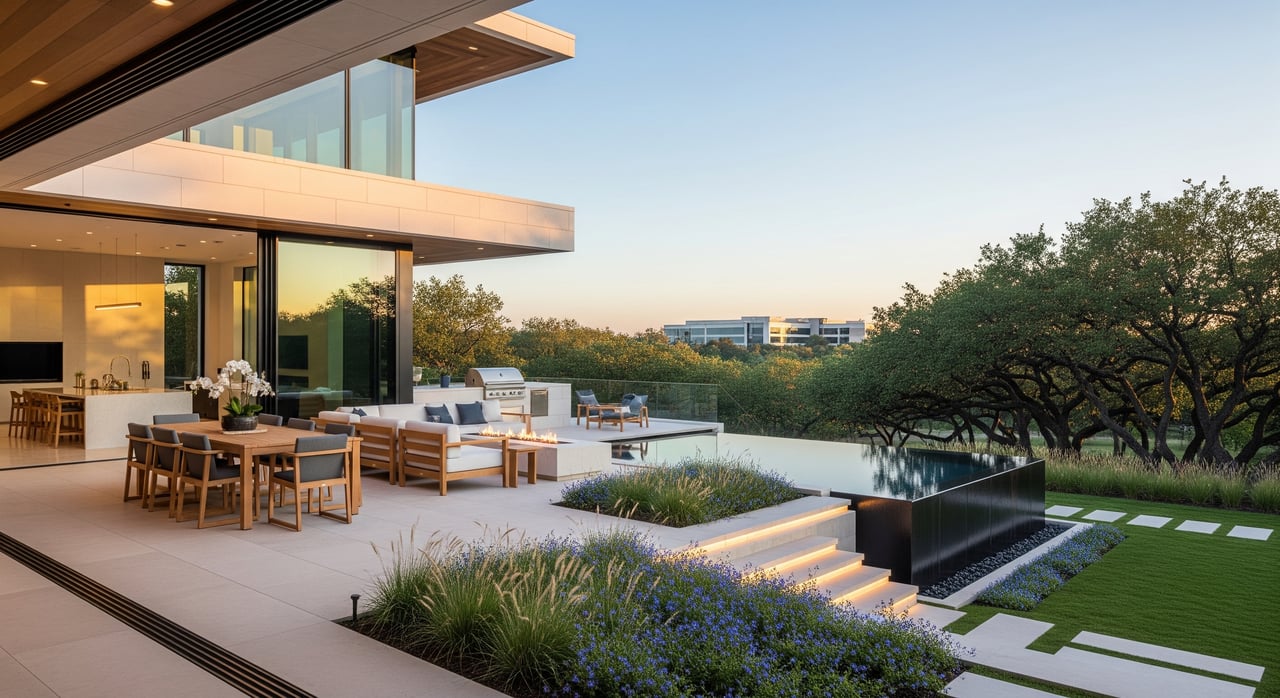
Thinking about a move to Plano but not sure what daily life really feels like? You’re not alone. Plano blends big-city convenience with a calm, suburban rhythm, which makes it a steady choice for many North Texas movers. In this guide, you’ll get a clear picture of commutes, parks and trails, dining and shopping hubs, neighborhoods and home styles, plus practical tips on taxes and services. Let’s dive in.
Plano at a glance
Plano sits in Collin County, just north of Dallas, within the Dallas–Plano–Irving metro area. The 2020 U.S. Census put the population at about 285,000, and the city continues to grow. You get a strong corporate job base, easy freeway access, and a suburban layout with pockets of walkable dining and retail.
The climate is humid subtropical, so expect hot summers, mild winters and the occasional strong storm. Many residents plan outdoor time earlier in the morning or later in the evening during peak summer months.
Why Plano works for everyday life
- Strong employment base with corporate campuses and professional services
- Reliable suburban conveniences with standout dining and retail districts
- Extensive parks, preserves and trails close to neighborhoods
- Multiple commuting options to Plano offices and greater Dallas
- Diverse housing choices from historic bungalows to new-build estates
Getting around and commute patterns
You’ll likely drive most days. Key routes include US‑75, the Dallas North Tollway and President George Bush Turnpike. Morning and evening rush hours can be busy along these corridors, so plan buffers for peak times.
Average commutes in the broader Dallas–Fort Worth area tend to fall in the 25 to 35 minute range. If you work in Plano’s business districts, you can often keep travel times shorter by choosing a nearby neighborhood. For trips into central Dallas, travel time varies by departure point and time of day.
Public transit and alternatives
DART’s Red Line runs into Plano with stations near Downtown and the city’s northern areas. It serves some commuters headed toward central Dallas. DART bus routes supplement local mobility. Day to day, cars remain the primary mode for most residents.
Walkability varies by district. Historic Downtown Plano and Legacy West offer pedestrian-friendly streets, restaurants and shops. Many newer communities prioritize sidewalks and trail connections for recreation and short trips.
Parks, preserves and outdoor time
Plano’s parks network makes it easy to grab green space without leaving the city. Two local favorites stand out.
- Arbor Hills Nature Preserve. A go-to for families and weekend recharge, with paved and natural-surface trails, picnic spots and wide-open views.
- Oak Point Park and Nature Preserve. One of the largest green spaces in the area, with extensive trails along creeks and meadows. It is popular for hiking, biking and community events.
You’ll also find Bob Woodruff Park, Hoblitzelle Park and Spring Creek Forest Preserve, plus many neighborhood parks. The city operates recreation centers, youth and adult leagues, and programs for seniors. Golf, tennis and fitness studios are readily available across Plano and nearby suburbs.
Neighborhoods and home styles
Plano offers a diverse mix of communities and architecture. Here is a plain-English overview to help you get oriented.
- Historic Downtown/Main Street. Restored bungalows, historic homes and a walkable Main Street with local dining and shops.
- West Plano and the Legacy area. Newer and often higher-priced neighborhoods close to corporate campuses, with luxury homes and master-planned streets near high-end retail and dining.
- North and Far North Plano. Master-planned communities built from the 1990s through the 2020s, with parks, trails and amenity centers.
- East and South Plano. Mature neighborhoods with mid-century ranch and traditional homes that can offer more budget-friendly options.
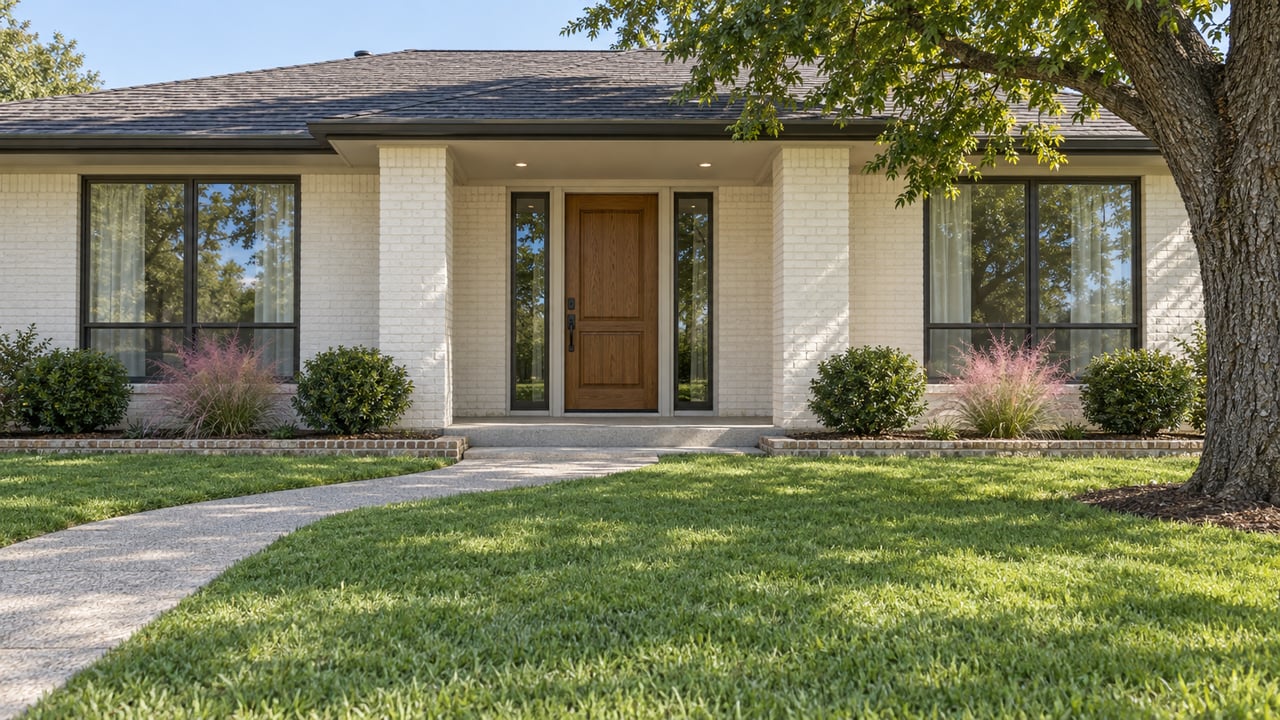
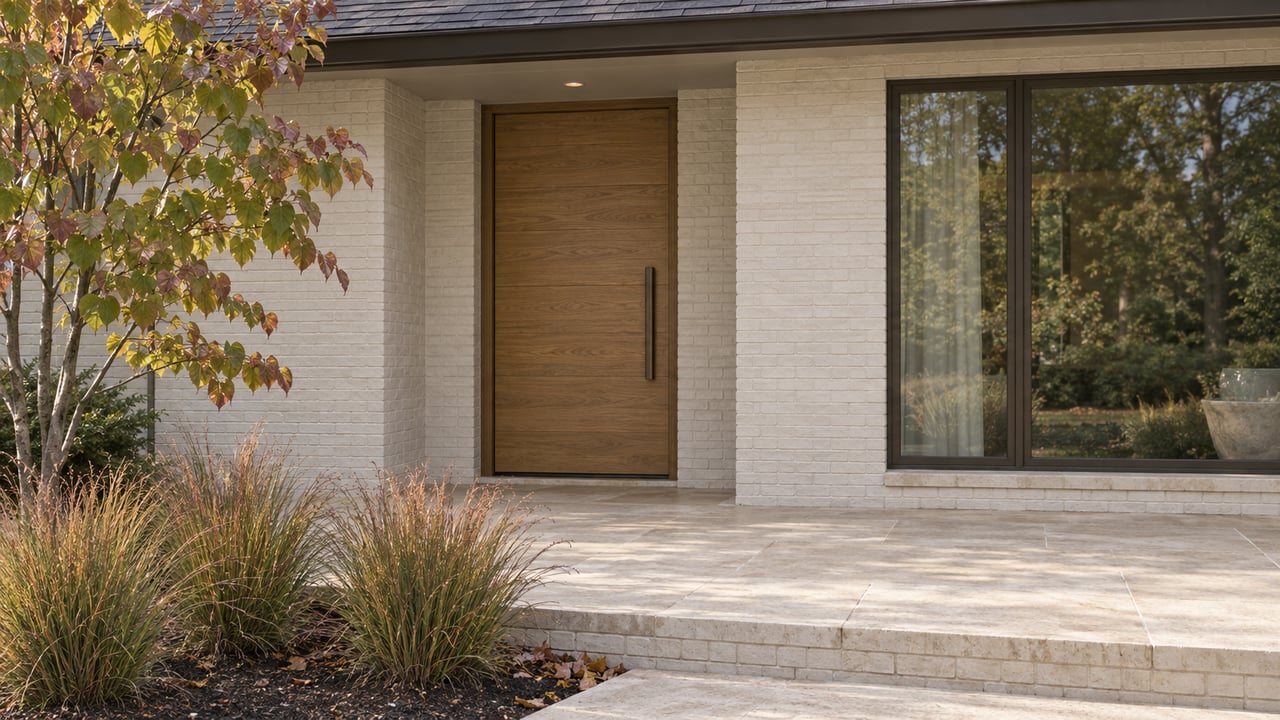
Housing options include single-family ranch and traditional styles, updated infill homes, newer two-story suburban builds, townhomes and patio homes. Some communities include HOA amenities, so factor those costs into your budget.
Dining, shopping and evening options
Plano’s food scene mirrors North Texas diversity. You’ll find American, Tex‑Mex, barbecue, and a wide range of Asian and international cuisines. The city balances casual family spots with chef-driven concepts.
- Historic Downtown/Main Street. Independent restaurants, art galleries, local bars and seasonal events create a lively weekend scene.
- Legacy West and The Shops at Legacy. A premier mixed-use hub with national and local restaurants, higher-end retail and office space. The plazas are active in the evenings.
- Suburban retail corridors. Big-box stores, grocery options and everyday services are spread across the city for quick errands.
Arts, culture and community events
Civic life is active throughout the year. Expect seasonal festivals, outdoor concerts, holiday parades and farmers markets. Community theaters, galleries and the Interurban Railway Museum add local flavor. You are also a short drive from Dallas museums, performance venues and major sports.
Neighborhood associations and HOAs are common, and volunteer groups offer ways to plug in if you want to meet people and give back.
Schools and education options
Most addresses fall within Plano Independent School District, with portions of the city connecting to adjacent districts along the edges. Plano ISD includes many elementary, middle and high schools and is widely regarded as a strong suburban district. Private and charter options are also available nearby. Always confirm attendance zones for a specific address with the district.
Higher education is accessible through Collin College and nearby universities within commuting distance.
Healthcare and public services
Plano is served by several regional hospitals, medical centers and specialty clinics, with many providers located close to major roads. Public safety services are provided by Plano Police and Fire. As in any large city, crime patterns vary by neighborhood, so it is best to review current police or FBI statistics for an address you are considering.
Cost of living, taxes and insurance
Texas does not have a state income tax. Property taxes are a key part of homeownership costs, so plan for them in your monthly budget. You can estimate taxes using the county appraisal district tools for the address in question. North Texas weather, including hail and strong storms, can affect homeowners insurance premiums, so compare quotes and coverage carefully.
Utilities and day-to-day services
Utilities follow a typical suburban setup. Water, electricity and gas service vary by provider and address, and some areas use municipal utilities. Trash and recycling are handled by the city. If you are buying, verify utility providers early so you can schedule smooth move-in connections.
Resale and long-term value
Location still drives demand. Proximity to retail, employment centers and strong school options often supports long-term resale. Newer development near corporate campuses can offer modern amenities, but factor in HOA fees and community rules. If you plan to rent out in the future, verify local regulations and HOA restrictions before you buy.
How I help you move with confidence
If Plano is on your shortlist, you deserve a clear plan from search to closing. I pair hands-on advice with staging-first listing strategy, precise pricing, and thoughtful neighborhood guidance. From first tours to final negotiations, you get responsive support and the marketing reach of a leading luxury brokerage.
Ready to talk through neighborhoods, commute fit and budget strategy? Reach out to Stefany Nau. Your next move starts Nau.
FAQs
What is daily commuting like from Plano to Dallas?
- Most residents drive on US‑75, the Dallas North Tollway or SH 190, with travel times that vary by start point and rush-hour traffic.
Which Plano areas feel most walkable and lively?
- Historic Downtown/Main Street and Legacy West offer the most pedestrian-friendly dining, shopping and evening activity.
What is the weather like in Plano across the year?
- Summers are hot and humid, winters are generally mild, and occasional strong storms can occur in spring and early summer.
How do property taxes work for Plano homeowners?
- Texas relies on property taxes, so factor them into your monthly budget and verify estimates through the county appraisal district.
Which schools serve a given Plano address?
- Most addresses are in Plano ISD, but zones can vary, so confirm the assigned schools with the district for your specific property.
Does Plano have public transit options for commuters?
- DART’s Red Line runs into Plano and connects to central Dallas, with bus routes as supplements, though most residents still drive.
What are the standout parks for outdoor time in Plano?
- Arbor Hills Nature Preserve and Oak Point Park are popular choices, with trails, open space and family-friendly facilities.
What home styles are common in Plano neighborhoods?
- You’ll see mid-century ranch and traditional homes, updated infill near Downtown, newer two-story builds, townhomes and luxury estates.