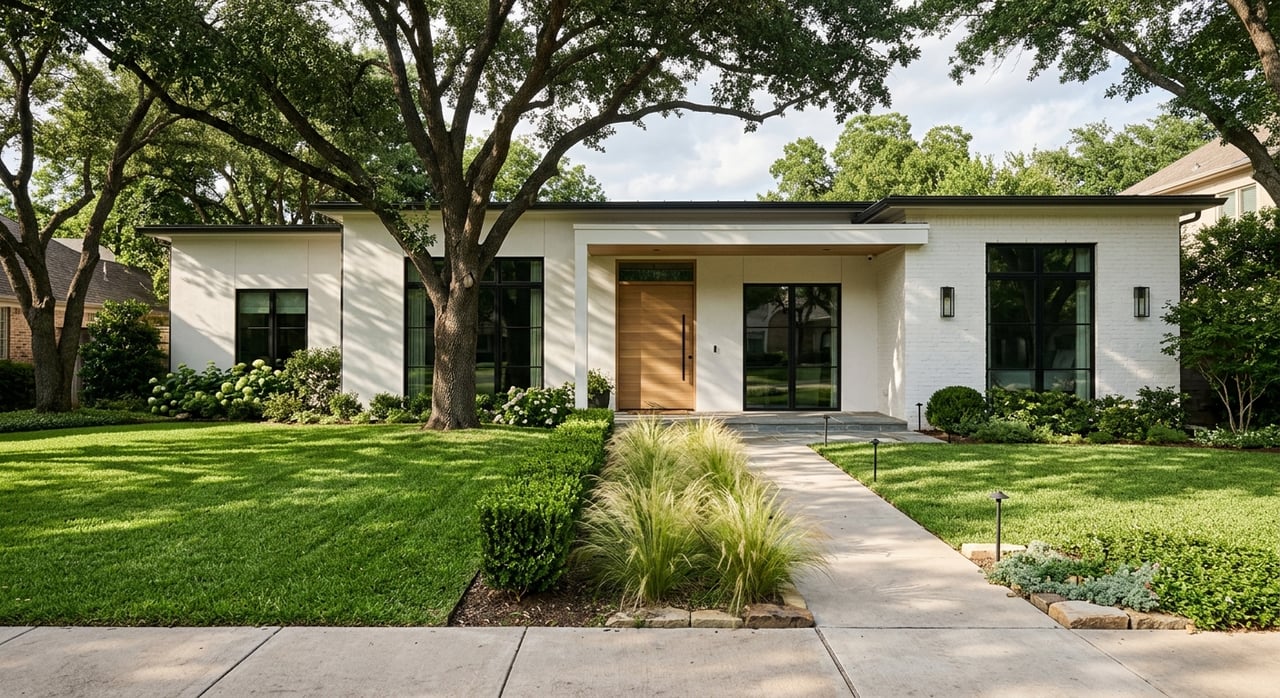
Trying to choose between Lakewood and Lake Highlands? You are not alone. Both put you close to White Rock Lake and the East Dallas trail network, but they offer very different day-to-day experiences. If you are deciding where your routine, home style, and neighborhood feel might fit best, this guide will help you compare the two with clarity. Let’s dive in.
Why Lakewood and Lake Highlands Feel Different
Lakewood and Lake Highlands share an East Dallas address and easy access to outdoor recreation, but they operate at different scales. Lakewood sits along the west side of White Rock Lake and reads as more compact and historic. Lake Highlands is a much larger Northeast Dallas district made up of many subdivisions, so it feels broader and more pocket-specific.
That difference shapes almost everything else. In Lakewood, your daily rhythm may feel centered around a smaller neighborhood core. In Lake Highlands, your routine may stretch across several nearby pockets, trails, and commercial nodes.
Lakewood Lifestyle at a Glance
Lakewood is often described as tree-lined, historic, community-oriented, and laid-back. Its location along the west side of White Rock Lake gives it a strong sense of place. If you want a neighborhood with a defined identity and a clear center of gravity, Lakewood tends to deliver that.
The overall vibe feels village-like. You may notice a stronger connection between homes, local businesses, and the lake itself. For many buyers, that smaller-scale setting is a big part of the appeal.
Lakewood feels more compact
Because Lakewood is more concentrated, it can feel easier to learn quickly. You are more likely to build routines around a familiar set of streets, favorite spots, and regular paths to White Rock Lake. That can create a more repeatable and neighborhood-centered lifestyle.
Lakewood leans historic
Lakewood stands out for visible historic character. The surrounding area includes French Eclectic, English Tudor, Colonial Revival, Spanish Eclectic, Dutch Colonial, and Prairie-style homes, with many architect-designed properties tied to notable local builders and designers.
If architectural detail matters to you, Lakewood usually makes a strong first impression. The neighborhood often appeals to buyers who value preservation, charm, and homes with a distinct identity.
Lake Highlands Lifestyle at a Glance
Lake Highlands offers a different kind of East Dallas living. Rather than one compact neighborhood, it is a collection of dozens of subdivisions and more than 40 neighborhoods across a much larger area of Northeast Dallas. That gives it a more varied, pocket-by-pocket feel.
For some buyers, that extra scale is the draw. You get a broader footprint, more housing variety, and multiple commercial and outdoor access points rather than one dominant neighborhood center.
Lake Highlands feels more spread out
Lake Highlands tends to feel more corridor-based and subdivided. Areas around Skillman, Walnut Hill, and Lake Highlands Town Center help shape everyday life, but the district works more like a network of connected pockets than a single village center.
That can be a plus if you like having options. Different sections may offer different housing styles, park access, and neighborhood rhythms, which gives buyers more room to match lifestyle with location.
Lake Highlands offers more housing variety
Housing in Lake Highlands leans more postwar and mid-century overall. Many homes were built in the late 1950s, some neighborhoods date to the 1970s, and newer homes continue to replace some older properties.
The result is a wider mix of original homes and newer rebuilds. If you want more variety, more room for reinvention, or a neighborhood where change and updating are part of the landscape, Lake Highlands may feel like a better fit.
How Home Styles Compare
If home character is high on your list, this may be one of the clearest differences between the two areas. Lakewood tends to offer a more preservation-forward housing story. Lake Highlands tends to offer a more mixed and evolving one.
Here is a simple side-by-side look:
| Feature | Lakewood | Lake Highlands |
|---|---|---|
| Overall feel | Compact and village-like | Larger and pocket-specific |
| Housing character | Historic and architecturally distinctive | Postwar, mid-century, and mixed |
| Neighborhood pattern | Strong center of gravity | Multiple subdivisions and corridors |
| Outdoor rhythm | Strong lake adjacency | Trails, parks, and creek corridors |
| Daily routines | Concentrated around familiar nodes | Spread across several nearby nodes |
This is not a better-or-worse comparison. It is really about whether you want historic lake-adjacent village energy or a larger, more varied trail-and-pockets lifestyle.
White Rock Lake and Outdoor Access
One of the biggest shared advantages is proximity to White Rock Lake. Dallas Parks describes White Rock Lake as a 1,015-acre city lake about five miles northeast of downtown, with a 9.33-mile hike-and-bike trail. That outdoor access is a major reason many buyers focus on East Dallas in the first place.
Still, the way each area connects to nature feels a little different. Lakewood’s outdoor routine is especially tied to the lake itself, while Lake Highlands often connects through parkland, trails, and creek corridors.
Lakewood is especially lake-centered
In Lakewood, the lake is a defining part of daily life. Residents often walk, bike, and hike to White Rock Lake, and neighborhood trails help connect homes to that larger outdoor destination.
If you picture your routine including direct access to a major lake setting, Lakewood may feel especially aligned. The lake is not just nearby. It is often central to how the neighborhood is experienced.
Lake Highlands is trail-heavy
Lake Highlands also offers strong outdoor access, but in a more distributed way. The area is known for abundant green space, trails leading toward White Rock Lake, and connections through local corridors and town center areas.
DART notes that Lake Highlands Station connects to Lake Highlands Town Center through a hike-and-bike trail. The Dallas County trail plan also supports future and existing connections involving Lake Highlands North Park and the White Rock Creek Greenbelt Trail. If you like a broader trail network and multiple access points, Lake Highlands stands out.
Dining, Errands, and Daily Rhythm
Lifestyle is not just about the home. It is also about where you grab coffee, how you run errands, and whether your week tends to revolve around one main node or several. This is another area where Lakewood and Lake Highlands differ in a practical way.
Lakewood has a village-style routine
Lakewood’s commercial life feels more like a neighborhood village. The Lakewood Shopping Center remains an important East Dallas retail hub, and the surrounding area supports coffee, pastry, brunch, and special-occasion dining routines.
That can make everyday life feel familiar and easy to repeat. If you like returning to a smaller set of go-to places, Lakewood often supports that kind of rhythm.
Lake Highlands has multiple activity nodes
Lake Highlands is more corridor-based for dining and errands. The Skillman corridor, Lake Highlands Town Center, and nearby business pockets all help shape daily routines.
That means your favorite stops may be spread across several nodes rather than centered in one compact area. For many people, that variety feels practical and flexible.
Which East Dallas Lifestyle Fits You?
If you are still deciding, it helps to focus on how you want your week to feel, not just what you want your address to be. The best fit often comes down to scale, housing style, and the kind of routine you want to build.
Lakewood may fit you best if you want:
- A more compact neighborhood feel
- Strong historic character
- Close identification with White Rock Lake
- A smaller-scale commercial core
- Homes with visible architectural personality
Lake Highlands may fit you best if you want:
- A larger East Dallas footprint
- More housing variety
- A neighborhood made up of distinct pockets
- Strong trail and park access
- Multiple commercial nodes for dining and errands
Why This Choice Matters for Buyers and Sellers
For buyers, this comparison can help you narrow your search faster. Two areas can look similar on a map but feel very different once you start thinking about architecture, routines, and neighborhood scale. Knowing that early can save you time and help you make a more confident move.
For sellers, understanding these differences matters too. Buyers are often purchasing a lifestyle as much as a floor plan. Clear positioning around lake access, historic character, trail connectivity, or housing variety can shape how your home is presented and marketed.
That is where local guidance makes a real difference. When you understand what draws buyers to Lakewood versus Lake Highlands, it becomes easier to search, price, prepare, and market with more precision.
If you are weighing Lakewood against Lake Highlands, the right move usually comes down to how you want to live day to day. If you want help comparing homes, timing your next move, or preparing a property for the market, Stefany Nau brings East Dallas neighborhood insight, responsive guidance, and a hands-on approach from search to closing.
FAQs
What is the main lifestyle difference between Lakewood and Lake Highlands in East Dallas?
- Lakewood generally feels more compact, historic, and lake-centered, while Lake Highlands feels larger, more varied, and organized around multiple subdivisions, trails, and commercial pockets.
Which neighborhood has more historic homes, Lakewood or Lake Highlands?
- Lakewood is more closely associated with historic and architecturally distinctive homes, while Lake Highlands has a broader mix of postwar, mid-century, and newer rebuilt homes.
Which area has better access to White Rock Lake, Lakewood or Lake Highlands?
- Both benefit from White Rock Lake access, but Lakewood is more directly tied to the lake experience, while Lake Highlands often connects through trails, greenbelts, and park corridors.
How do dining and errands differ in Lakewood and Lake Highlands?
- Lakewood tends to have a more village-style routine centered around a smaller commercial hub, while Lake Highlands spreads dining and errands across several nearby corridors and nodes.
Is Lakewood or Lake Highlands better for buyers who want more housing variety?
- Lake Highlands is generally the better fit for buyers looking for a wider range of home styles, neighborhood pockets, and opportunities for newer rebuilds alongside older homes.